Healthcare Barriers
-
Physical Barriers
Everyone deserves access to good healthcare, including people with disabilities. Even though healthcare has improved and efforts have been made to include everyone, people with disabilities still face many challenges when it comes to getting the care they need. These challenges can affect not only their physical health but also their overall happiness and quality of life. It's important to fix these problems so that people with disabilities can receive the same care and support as everyone else, promoting fairness in healthcare.
Design Exam and Procedure Rooms That Welcome ALL Patients Access to Medical Care for Individuals with Mobility Disabilities -
Communication Barriers
Good communication is crucial in healthcare, but people with disabilities often face difficulties in this area. People with hearing, vision, or cognitive impairments may not have access to things like sign language interpreters, Braille materials, or simplified medical information. This can make it hard for them to understand and participate in their care. It's important to train healthcare providers in different ways of communicating and make sure that resources are available to overcome these challenges.
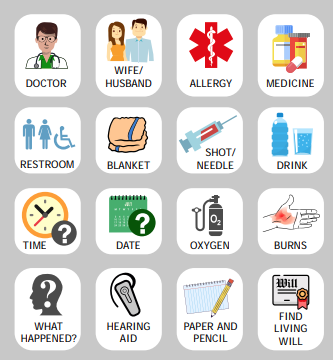
The CED has developed a visor card and an EMS communication card as quick and safe ways for individuals with communication disorders and/or intellectual disabilities to share information with law enforcement, emergency personnel and medical providers. Click on the images of the cards above to download.
-
-
Financial Barriers
Healthcare can be too expensive for people with disabilities, who often have extra medical costs because of their conditions. Lack of proper insurance and limited financial help make this problem worse, leaving many people without the care they need. Policymakers and healthcare providers need to work together to create financial support systems to make healthcare more affordable for people with disabilities.
-
Attitudinal Barriers
Attitudinal barriers, like stigma and discrimination, can have a big effect on the healthcare experiences of people with disabilities. These negative attitudes can show up in many ways, such as healthcare providers being dismissive or making assumptions about a person's abilities. It's important to educate healthcare professionals about disability awareness and cultural competence to create a more inclusive and respectful environment for everyone.