
Types of Care
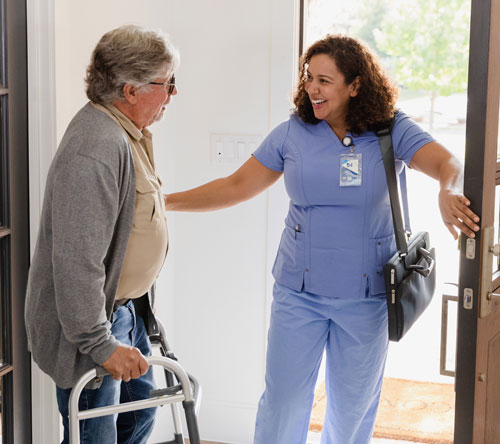
There are many different types of care that can be beneficial for people with and without disabilities. Learn more about specialized care options below to see which ones might be beneficial to you or your family.
-
Preventive Care
Preventive care, like regular screenings and vaccinations, is important for staying healthy. However, people with disabilities often face barriers to accessing these services, leading to higher rates of preventable health problems. To improve access to preventive care, healthcare providers should be educated about the specific needs of this group, facilities should be made accessible, and preventive services should be included in routine care. Public health programs that include disability-friendly approaches can also help close this gap and ensure everyone gets the care they need.
-
Access to Specialized Care
Specialized care is vital for managing complex health conditions often linked to disabilities. Unfortunately, these services can be hard to find, especially in rural or underserved areas. To improve access to specialized care, healthcare providers need training in disability-specific needs, and collaboration between primary care and specialist providers is key. Telehealth services and mobile clinics can help bridge the gap for people who have difficulty traveling to specialized centers.
-
Patient-Centered Care
Patient-centered care, also known as person-centered care, focuses on tailoring healthcare to meet the individual needs and preferences of each patient. For people with disabilities, this means creating personalized care plans, involving patients in decision-making, and offering support from patient advocates. By listening to the patient and ensuring their active participation, healthcare providers can improve the quality and effectiveness of care.
Watch: West Virginians with disabilities speak about person-centered care
-
Technology and Innovation
Advances in technology have the potential to greatly improve healthcare access for people with disabilities. Assistive technologies, such as adaptive devices and communication aids, help individuals live more independently and engage in healthcare. Telehealth services, which offer remote consultations, can reduce transportation barriers. Continuous innovation in medical devices and equipment designed with accessibility in mind can further improve care.
Visit the West Virginia Assistive Technology System (WVATS) page to learn more about assistive technology and borrowing devices for free.
-
Mental Health Services
Access to mental health services is very important for individuals with disabilities, as they face a higher risk of mental health issues which are often worsened by social isolation and lack of support. Integrating mental health services with primary care, along with training mental health professionals to understand the unique needs of people with disabilities, should be a priority. Reducing stigma and promoting mental health awareness within the disability community is also key to providing comprehensive care.
The CED’s Mental Health Services offers supportive services to individuals with disabilities, their families, caregivers, and providers.
-
Case Studies and Best Practices
Looking at successful inclusive healthcare programs can offer valuable insights and examples of what works. Case studies from different healthcare systems show innovative solutions and collaborative efforts that have improved care. These examples can guide other organizations and communities, demonstrating the effectiveness and benefits of inclusive healthcare practices.