

Tony and Bonnie
My son Tony was born a preemie at 27 weeks. He was 2lbs. 13 oz. He was my first child. He was eventually diagnosed with cerebral palsy (CP) and profound deafness. He had many complex medical needs. Despite that, he progressed well with early intervention and special education through the county schools.
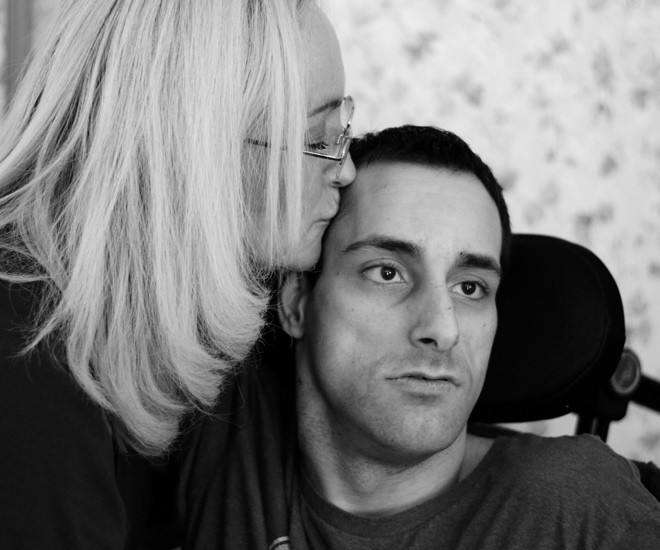
Tony learned how to use a communication device. He was also taught that he could use sign language to communicate. Even though Tony was in a wheelchair, I took him everywhere. We attended family gatherings, went to the movies, went shopping, went to parks and community events. We were not wealthy, but we had a good family and friends who invited us to stay and have fun with them. Tony and our family were able to visit the beaches, amusement parks, and zoos. Tony lived a full and rich life! Tony was an amazing person with a great personality. He touched so many people's lives. Many people said he was such a happy person, and his smile could light up a room.
Read More about Tony and Bonnie
From the System to Center Stage
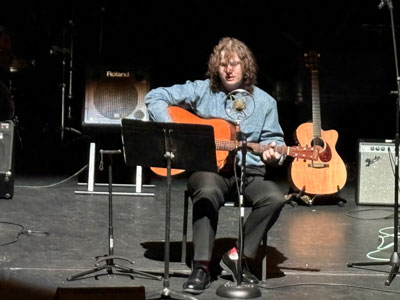
Samuel Isiac McAllister III formally was in foster care and received support from the Mentoring and Oversight for Developing Independence with Foster Youth (MODIFY) program at the CED.
I obtained a Bachelor of Arts in Music Performance degree from Glenville State University. I attended from fall 2022- spring 2025. I even graduated cum laude.
My next steps are to pursue a master’s degree in instrumental and vocal performance whilst playing as much music as I can on the side. I hope to one day be a respected musician that people from all walks of life can draw inspiration from.
John Daniel
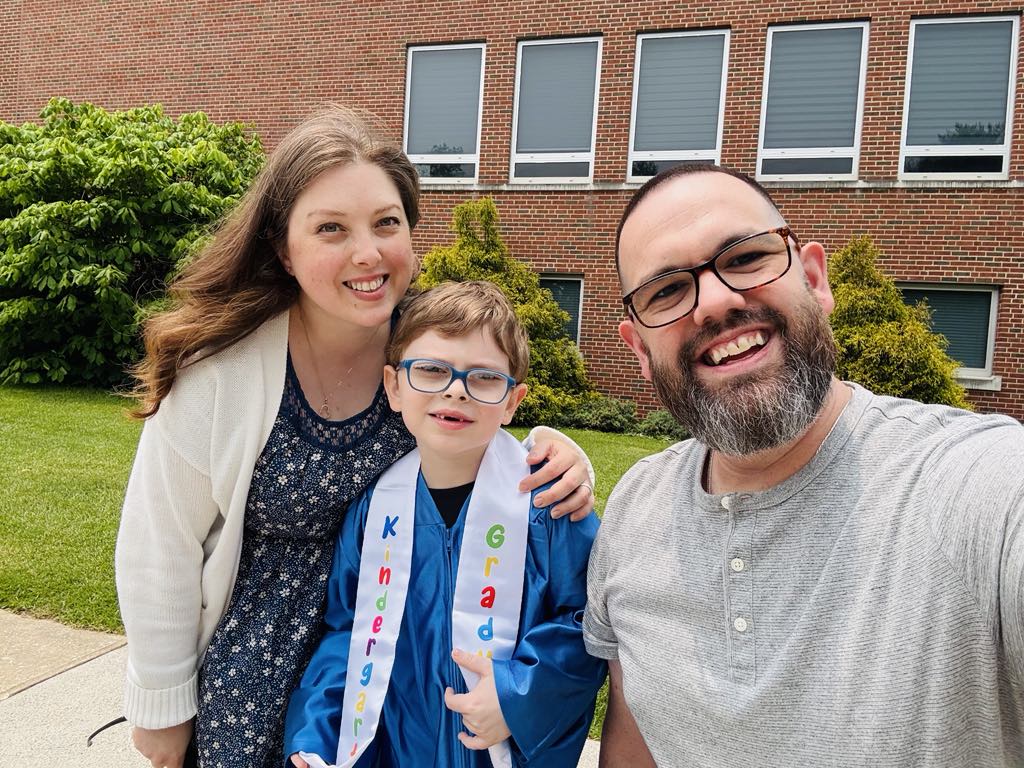
In 2021, our son, John Daniel, was diagnosed with autism. My wife, Jamie, and I were determined to help him — and soon realized how limited the resources were in southern West Virginia where we live. We felt overwhelmed, uncertain, and frankly, lost.
That’s when we connected with Dr. Cassie Miller at the Center for Excellence in Disabilities (CED) in Morgantown. It’s hard to put into words just how invaluable the CED has been to our family.
With the leadership of Dr. Miller, and in collaboration with the WVU LEND program and Dr. Susannah Poe, they designed a pilot project just for John — one that had never existed before in our area. This innovative hybrid model combined in-person speech and ABA therapy during monthly trips to Morgantown, with weekly virtual check-ins and supplemental training for Jamie and John from home.
For an entire year, we received not just therapy, but hands-on coaching and training that empowered us as parents. We learned how to work with John in everyday situations, from communication strategies to managing behaviors. The CED didn’t just treat John — they equipped our family to support him in the most meaningful ways.
Beyond the therapy, the CED became our lifeline and information hub. They helped us understand the types of services and interventions John would need, connected us with resources we didn’t even know existed, and guided us through what initially felt like an impossible journey.
Looking back, I can confidently say that without the CED, our family would have been adrift in those early days following John’s diagnosis. Instead, we found hope, direction, and a team that cared deeply about our son’s future. The work they did with us has completely transformed our lives in the most positive and lasting ways.
– Shawn Allen, parent of a child with autism
Meagan Seaton
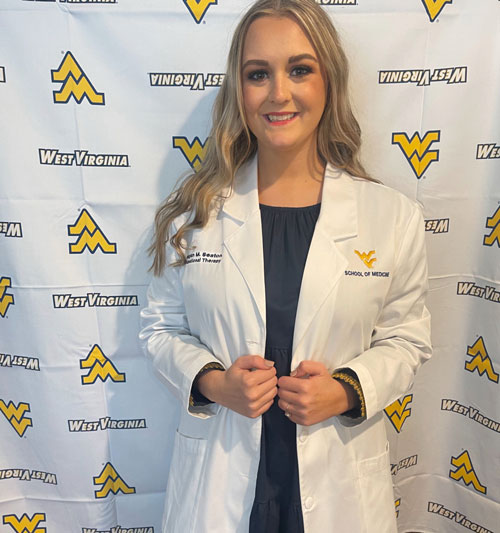
As a pediatric occupational therapist serving a rural population, I feel compelled to speak out about the proposed cuts to funding for the University Centers for Excellence in Developmental Disabilities (UCEDDs). These centers are more than academic programs. They are vital hubs for training, advocacy, research, and community support for individuals with disabilities and their families.
I am a proud alumna of a Leadership Education in Neurodevelopmental and Related Disabilities (LEND) program, a training opportunity I received through a UCEDD. My time in LEND was transformative. It prepared me not only to be a more skilled clinician but also to be a leader and advocate within my community. The interdisciplinary training, mentorship, and firsthand experiences with families of children with disabilities shaped the way I serve, with a commitment to evidence-based care, family-centered practice, and disability advocacy.
One of the most impactful parts of my training was participating in the UCEDD’s interdisciplinary feeding clinic. As an occupational therapy student, I had the opportunity to collaborate directly with professionals from speech-language pathology, nutrition, and social work while serving families facing complex feeding challenges. This hands-on, team-based experience not only strengthened my clinical skills but also taught me the value of collaboration and holistic care — lessons I now carry into my everyday practice.
On a personal level, the LEND scholarship I received helped make graduate school financially possible for me as a first-generation college student. It eased a significant burden and allowed me to focus on my education, professional growth, and community service. Without that support, my path to becoming a pediatric occupational therapist would have been much more difficult.
Now, working in a rural area where access to specialized care is often limited, I see every day how important it is to have providers who are well-prepared to meet complex needs. The UCEDDs create professionals like me, clinicians who are equipped to serve with expertise, compassion, and a deep commitment to the families in their communities.
Threatening the future of UCEDDs is more than a budget decision. It risks dismantling a network that strengthens families, empowers professionals, and improves care across the country. The investment in these programs pays dividends in healthier communities, stronger families, and a more inclusive society.
I am deeply grateful for the impact UCEDDs and the LEND program had on my life and career. I hope others will recognize their value and stand in support of their continued funding and work. – Meagan Seaton, occupational therapist, former LEND trainee
Carrie Cobun Stark
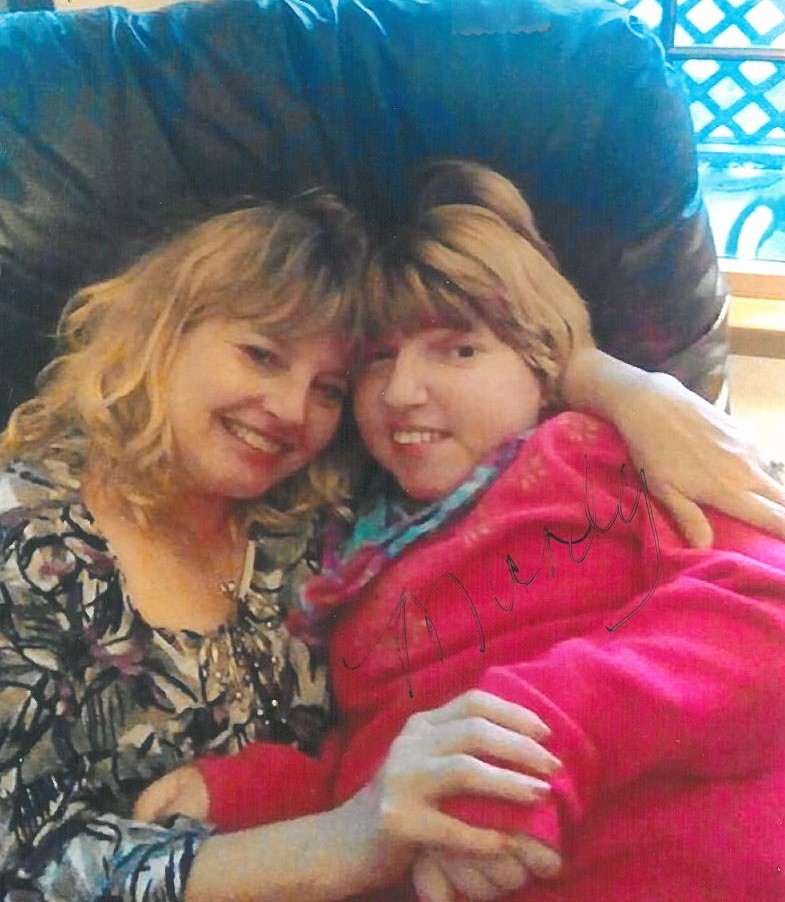
I have worked at the WVU CED sporadically for the last 30 years. My only biological child, Amanda Westbrook, aka Mandy, suffered a birth injury, and as a result was diagnosed with spastic, quadriplegic cerebral palsy. Mandy required total care 24/7 because she was unable to walk, communicate, or feed herself.
The WVU CED provided many opportunities for Mandy and our family including services through the Feeding and Swallowing clinic, the speech and language clinic, the WVATS assistive technology program, and information from professionals and other family members on how to navigate this new life. Mandy passed in 2016 but caring for her and, more importantly, learning from her, was the joy of my life and I could not have done it without the support and love I received from both professionals and other parents at the WVU CED.
– Carrie Cobun Stark, TBI Services program, mother to Mandy
Dennis M. Ruscello, Ph.D.
I was a mentor with the WVU CED for 25 years and had the exceptional experience of working with a cadre of excellent professionals during my tenure. Under the leadership of Ms. Monica Andis, R.D., one of the programs was a weekly clinic, which provided free diagnostic services for children with feeding and swallowing disorders. We conducted assessments of children throughout West Virginia who presented with a variety of feeding and swallowing issues and conducted outreach services in some of the more rural areas of West Virginia.
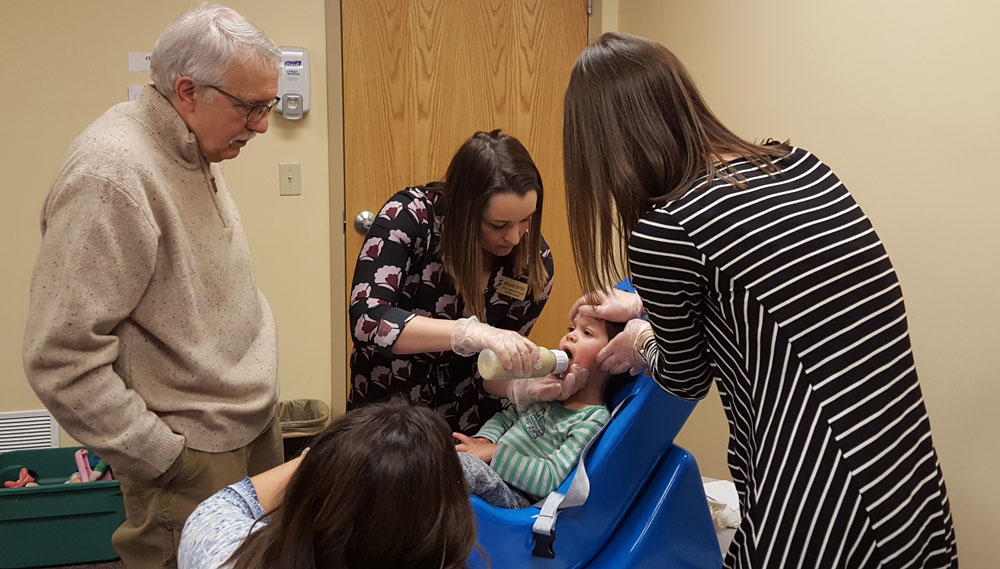
The diagnostic regimen involved an inclusive evaluation from a group of professionals that included a dietician, occupational therapist, physical therapist, psychologist, and speech-language pathologist. It was a comprehensive interdisciplinary team with each member responsible for different components of the assessment process. Without the assistance of the WVU CED, these children would need to be referred to facilities in other states, provided the family had the appropriate medical insurance. In addition to providing these services to the children, each mentor had graduate student trainees who were able to participate in the clinics and acquire the necessary knowledge and skills to provide independent services upon graduation. The various programs provided by the CED are vital to those individuals with disabilities and their families. I sincerely hope that the WVU CED receives continued funding to maintain the excellent programs that assist West Virginia citizens with disabilities.
– Dennis M. Ruscello, Ph.D., ASHA Honors, FASHA Professor Emeritus of Communication Sciences and Disorders, West Virginia University
Accessing Care, Building Futures: How CED Supports Everyday Lives
-
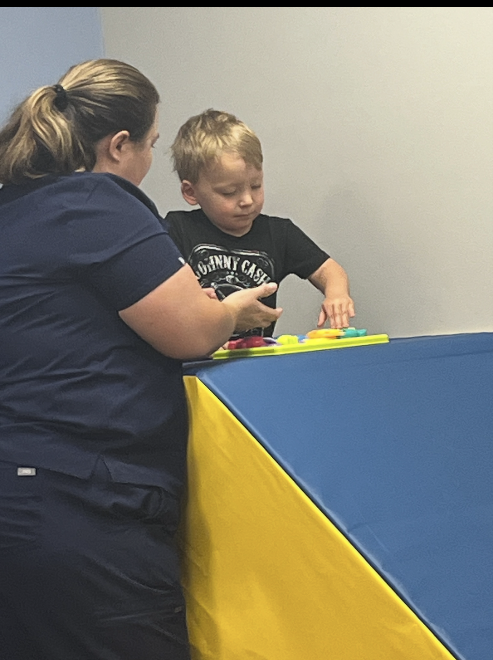
My son Truett was seen by Dr. Cassie Miller in the speech clinic at the WVU CED. He was 40% delayed in speech and I was not financially able to get him the private outpatient therapy he needed after his time with WV Birth to Three ended.
Dr. Miller and her students saw him twice a week and their therapy greatly improved his vocabulary and communication abilities.
– Courtney Ringstaff, mother and Adjusting the Sails podcast host
-
Because of the WVU CED Feeding & Swallowing Clinic, my daughter eats more of a variety of foods. She is autistic with sensory processing disorder and would not eat hardly anything before starting the clinic. After a few months, her food selection expanded. The clinic has not only helped my family but continues to help countless families that are desperate for help when it comes to their child not eating.
These people are absolutely amazing and awesome at what they do. I cannot express how much I appreciate them and continue to recommend other families to them.
— Anonymous parent
-
My husband suffered from a degenerative nerve condition that brought with it progressive paralysis of his limbs. As he transitioned from crutches to wheelchair-dependent, we met with the CED. They were so supportive and reassuring. They provided resources including their assistive technology equipment library. This was particularly helpful because we were able to borrow items and see if they were beneficial before spending money on them.
In the end, I believe this saved us thousands of dollars. It also alleviated stress which was a significant issue. My husband didn't feel like he was as burdensome to his family with additional costs. These tools also gave him more freedom and autonomy, which allowed him to retain more positive mental health through this unbelievably difficult period. None of this would be possible without the support and resources of the CED.
– Lauren Weatherford
-
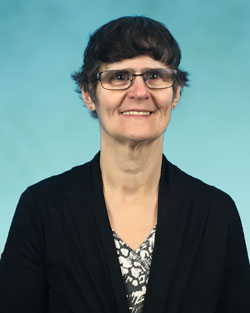
I can’t say enough about the programs at CED. I recently contacted WVATS about assistance for talk-to-text programs because I broke my arm. They responded in just a day with several options.
Of course, I can’t say enough about the Traumatic Brain Injury (TBI) program. Maybe I’m partial because I worked there, but I’ve also had two traumatic brain injuries and the program has been invaluable. In addition to the Funds For You program, the resources that have been shared with me have been awesome.
Also, I was able to participate in the MoCrazy Strong ski event this past year and it was amazing. I’m hoping that they will be able to do that again next year.
I follow the big brain on Facebook and see where it sets up at many schools to teach kids about wearing helmets and other prevention activities. Also, the employees advocating for TBI laws and services is another invaluable part of that program.
– Vanessa VanGilder, person with a TBI
-
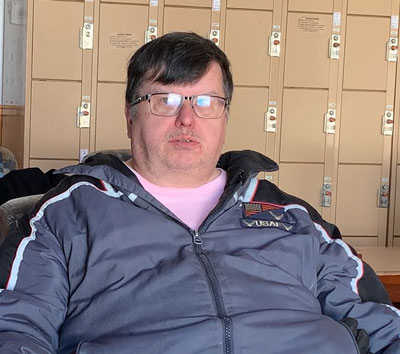
I started going to the Neurological Center at WVU and that’s when I got in touch with the TBI Services program at the CED. My wife goes to the caregiver groups, so we both attend groups there. We’ve been going for about three years, and it’s really helped us both a lot – being a part of that, of the support groups and the different programs at the CED.
- Mike Shawver, TBI support group member
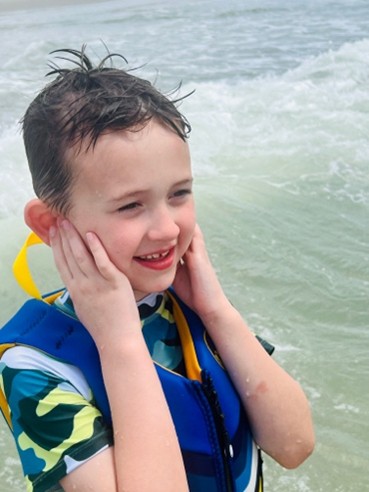
I have one child who is non-conversational and one who is more hyper. It was hard to know what the children meant with their speech. Dr. Tori Gilbert at the WVU CED’s Communication Access and Assistive Technology (CAAT) Clinic was a big help with her assessments for both children. It was a very positive experience.
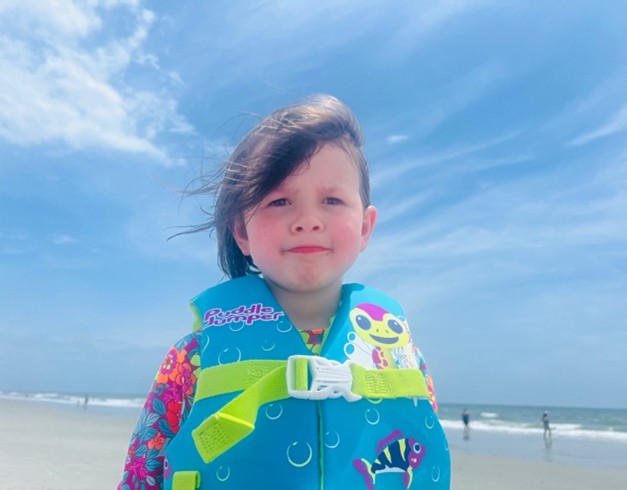
As a WV Birth to Three practitioner, I also refer several clients to the West Virginia Assistive Technology System (WVATS) loan library. Many families who are on a wait list for Waiver programs or who are unsure how to spend Waiver funds for equipment benefit greatly from being able to try devices before purchasing them. WVATS helps them get a good idea of what kinds of AT devices they might want to get.
- Ranzi Stacy, mother and WV Birth to Three practitioner
-
A mother came to the Paths for Parents program in desperate need of a device for her six-year-old daughter who was losing her vision. She was struggling in school and mom was seeking navigation for funding to get a device for her daughter to help with school and daily living. After I did some digging and research, I was able to help mom get connected with the Disability Rights of WV where we partnered up to find the best device for the family. While we were waiting for the funding and the device to come in, I guided her to our resource lending library where we found a device she could borrow until hers came in. It was a fast turn around and the family was thrilled.
– Parent Network Specialist
-
Parents came to us looking for navigation within the school system and possible homebound services. Their son is nonverbal and experiences seizures. Working with the family, I was able to provide them knowledge on their educational rights, educated them on the IEP process and the services their son needs to receive the best possible education possible. The mother was so appreciative of our services and felt like she had a little more confidence to advocate for her child.
– Parent Network Specialist
-
A mother came to us needing last minute help with her daughter’s IEP. Her daughter was experiencing behaviors at school and her IEP wasn’t being followed. I informed her of the services that should be offered to her within the school. Mom never heard of that, and I got her set up with IEP guidance. The two-day turn around was a success. We were able to get her daughter the services she needs and deserves. Mom was beyond thankful and stated that she will be in contact with us from here on out.
– Parent Network Specialist
-
A mom needed support and resources to pick a Medicare plan for her 24-year-old child with disabilities. We discussed in detail the options they have for Medicare and Medicare Advantage plans for her adult child. I sent her by email the Medicare plans fact sheet and the side-by-side comparisons for each plan. I also sent Mom the links for the Center for Medicare Advocacy, Medicare.gov, the WellCare websites, and the information on a Medicare representative’s number to speak with the representative directly and ask any questions in detail she may have to review. We also discussed the Transition checklist and some guidelines for Transition. When I followed up with Mom later, she was pleased, and her child had been approved through WellCare for the Medicare plan.
– Parent Network Specialist
-
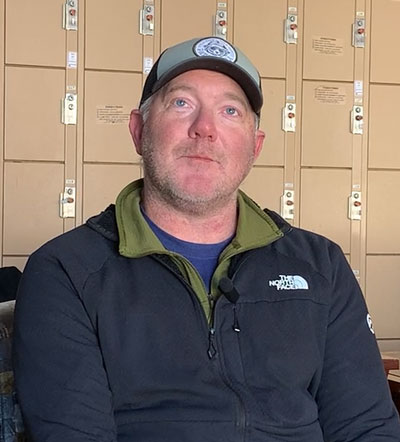
It’s inspirational on every level. You know, and this event (Alive to Thrive Day) is more of the same. You come and you talk to these other brain injury survivors and they’re giving it their best and wanting to be more than what people have told them before.
It’s programs like WV TBI Services that get people involved. I’ve learned they have been the most help to me because talking to the other people that have had this happen, I take tools away from every one of them that I can use.
- David Hissom, Challenged Athletes of WV volunteer
-
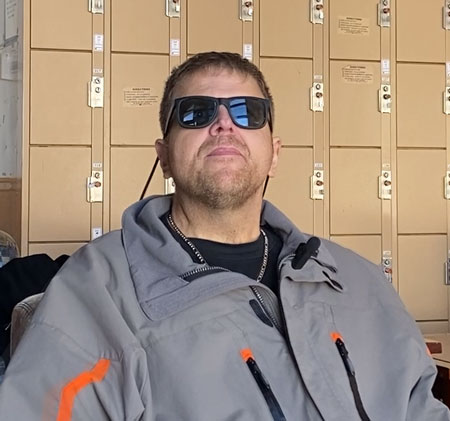
I have a reason to do more purposeful things, like advocating for brain injury. And, you know, my goal was not to help other people, but now that’s my goal.
- Brian Monroe, Alive to Thrive Day participant
-
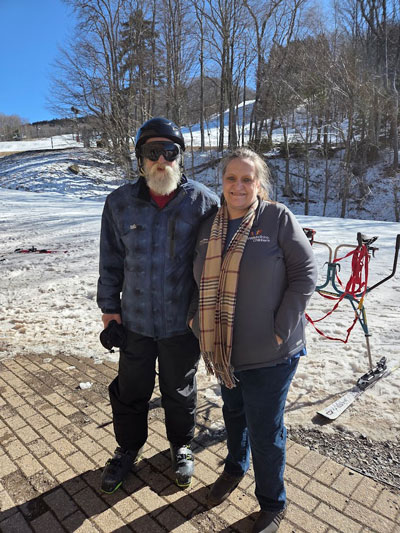
I started with the TBI support groups at the CED about a year and a half ago and they’ve all been great. Between them and all the doctors, they’ve seen the difference. I’m just so glad for the TBI program, they’ve done so much and they’re the ones that get the right people like these (MoCrazy Strong/Alive to Thrive Day), and I’m just so grateful for it all.
- Roger Mitter, TBI support group member
-
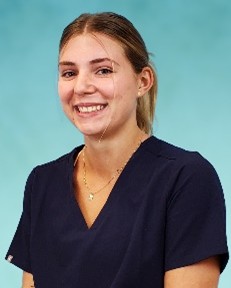
As a LEND trainee at the CED, I gained a wealth of knowledge about the disability community and significantly grew in both confidence and skill. Attending the Feeding & Swallowing Clinics and working alongside various healthcare professionals was incredibly valuable. I also had the opportunity to collaborate with another student in my cohort, and together we were able to independently complete feeding and clinic sessions, which was a really rewarding and impactful learning experience.
– Addie Ivey, LEND trainee
-
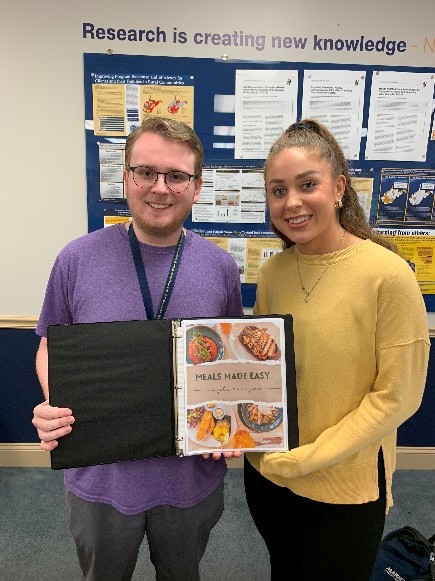
It was a great support for my education as an occupational therapist. It really blended well because it was talking about education and learning about people with disabilities, so I think it just goes great hand in hand with what we do as occupational therapist students.
– Aiden Aiello, LEND trainee
Tiffany Wilson, foster parent, Westbrook Health Services
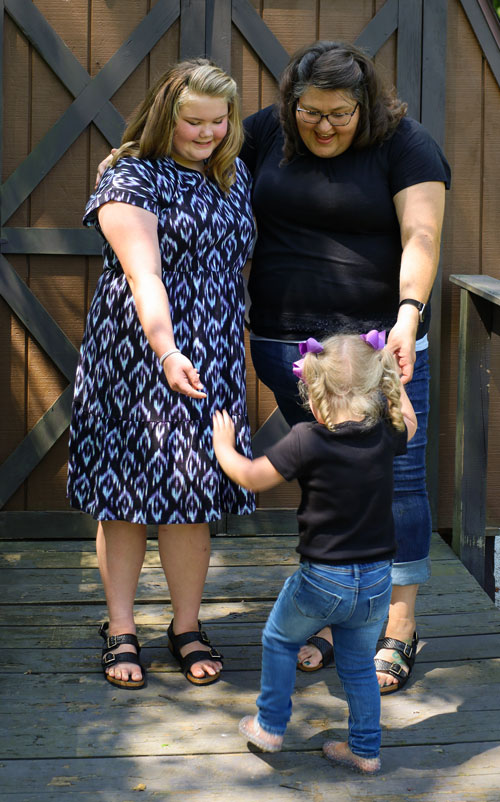
My Name is Tiffany Wilson, and I am a foster parent who recently accepted a care coordinator position with the Early Diversion Program at Westbrook Health Services.
I have several years’ experience working with children and adults with various barriers. I became a certified foster parent in June 2022, knowing I would face great challenges finding the appropriate services for the children in my care. In May of 2023, I was placed with a child who suffered years of loss, abuse, and neglect. When her world came crashing down, I was screaming for help. I spent a year contacting multiple places trying to find family therapy and someone to help me best support her. We were referred to other programs that were not helpful at all. My child viewed her sessions as negative, and we were given false hope. In January of 2025, a former coworker suggested I look into the WVU CED.
After filling out the referral, I received a quick response and things started rolling. Alyssa Flowers with the Family to Family/Paths for Parents programs was my first point of contact, and she has been amazing! Whether it was a phone call or text, she was quick to check in and follow up. Next, we were in contact with mental health specialist Eric Murphy, who is fulfilling the request of family therapy, and Theresa Bhaile with the Positive Behavior Support (PBS) program.
-
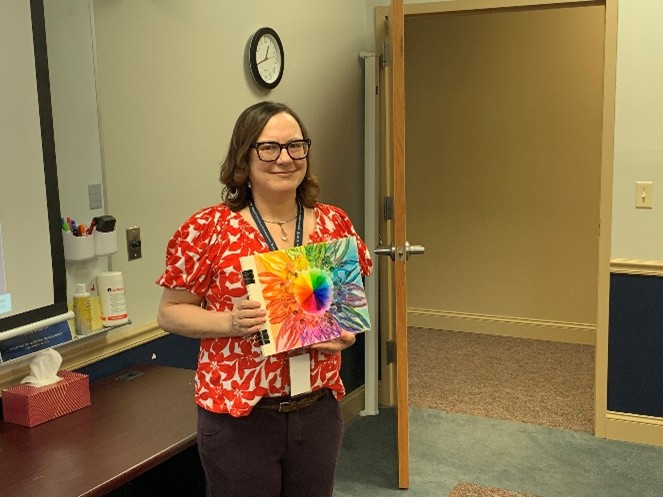
There is so much about LEND that I could say, so many things, probably one of the most impactful for me has been just watching people work professionally as a team and being able to see that no one person has the right idea or the right concept or the right diagnosis or the right therapy, so to speak, but just watching people come from different disciplines and different ideas and be able to provide real practical solutions for families of kids with chronic health problems, special healthcare needs and disabilities. Just the amount of information and expertise we’ve been exposed to has really been life changing. I have loved being here, every moment.
– Gretchen “Phoebe” Durst, LEND trainee
-
I think my experience with the Regional Transition Navigators Services (RTNS) program has already helped me. I am definitely going to use a lot of the skills that I learned here, especially working one-on-one with clients. I think I’m going to pivot slightly and go into medical social work, but I had my advanced placement at Ruby and I was already using some of the skills that I learned here and the materials we developed like the Transitional Living Maps, I was able to provide that resource to them. I think I will use a lot of these skills. I was able to flourish as an individual – I did not like presenting, but now I volunteer to go first, and that would have never happened two years ago, so I think I have gotten a lot more comfortable with my own skills and applying them to what I am doing.
– Emily Cooper, RTNS graduate assistant
-
I feel like I learned a lot. As occupational therapy professionals you’re going to have to work with people with different disabilities, with different intellectual and physical limitations and things like that, so I feel like we really amped up our education regarding those individuals and that will definitely help us in the future.
Just with our badge project alone that we just did, we had a lot of modifications within our book for people to live independently and be able to cook, to feel like they belong in a kitchen and things like that. I feel like we learned a lot from them (Country Roads students), because it it’s not necessarily them that aren’t able to do things on their own, it’s the environment that we’re in that makes them feel limited, so being able to help them and give them ways to feel more independent was awesome.
– Devin Hefner, LEND trainee
-
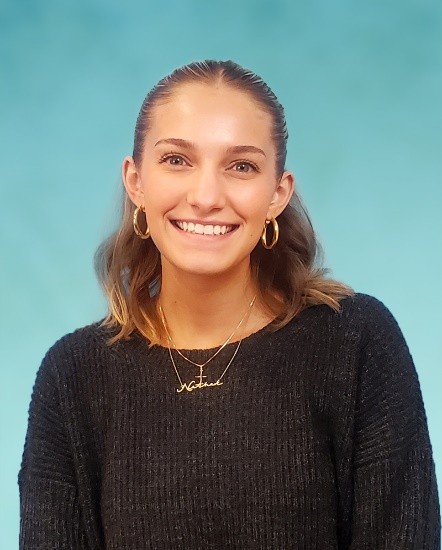
It has been the best experience I could have had throughout all of my grad school and everything. I have not only learned about things within my field and social work and everything, but also the conversations and mentorship that I’ve received from my supervisor Sue Workman and our Patient Navigator Vicki Johnson – I will take everything that they have said to me and taught me. I’ve learned beyond just professional skills, but stuff about life, and I’ll definitely take all of that with me moving forward.
It's opened my eyes – I feel like I’ve been in such a social work mindset for the past five years since I’ve been surrounded by my cohort. I love the multidisciplinary collaboration between people of different backgrounds and hearing their perspectives on things. I feel like Sue and Vicki have different experiences that really challenged what I was thinking and emphasized how important it is to see those different perspectives and work with multidisciplinary teams and I feel like that will be super helpful as I move on to work in a hospital setting.”
– Morgan Grant, IMPACT WV graduate research assistant
-
I work with the Department of Human Services SNAP Employment & Training Program as a program director and case manager. I recently referred a veteran to the CED program.
He stated he has lost most of his eyesight and has been unable to find employment with accommodations. He felt that all other means of employment assistance with other programs had been very disheartening.
I reached out to CED due to my past knowledge of their services through partnership with the Region VI American Job Centers. I am familiar with the services they provide, but this is the first time I have had a customer that I felt would benefit from the referral. I know they will provide the best possible service and options for this veteran.
- anonymous partner
-
We would recommend the WVU CED’s Mental Health Services to anyone – we have loved working with them. Eric and William were both great. My daughter has a hard time talking to anyone, but it is easy for her to talk with Eric.
- Melissa Christopher
-
When I was an occupational therapy student at WVU, my class visited the center, and I was amazed by all the equipment and devices they have. I have 3 years of practice as an occupational therapist now, and I truly see the value and need for access to adaptive equipment for individuals with disabilities. The programs that allow families to borrow or trial different adaptive equipment are incredible and so necessary! Equipment is expensive, and being able to borrow or try things out before making an investment is an invaluable resource. I would be deeply saddened if programs like this were eliminated. West Virginia families need continued access to the resources and assistance the CED provides!
– Alexis Sharp, occupational therapist
-
In an effort to support a pregnant client with a 2½-year-old child, the IMPACT WV program successfully established a partnership with the Monongalia County chapter of Sleep in Heavenly Peace (SHP), a nonprofit organization that provides custom-made beds, bedding, and delivery services to families in need. Through the initiative of the program’s Patient Navigator (PN), who actively participated in a bed-building event, a strong working relationship was formed.
As a result, SHP expanded its support by donating cribs, changing tables, and other essential nursery items to the broader community resource network. The PN also coordinated with Compass to obtain necessary information and shared those details with SHP to facilitate future donations, further strengthening the program’s ability to assist families in need.
- IMPACT WV program
-
Through the partnership between the IMPACT WV program and the Neonatal Abstinence Syndrome (NAS) Follow-Up Clinic, a client was successfully enrolled in the program. With the support of the IMPACT WV Patient Navigator (PN), behavioral health needs and service gaps were identified, resulting in timely referrals to key resources at the CED, including Positive Behavior Support (PBS) and the Family to Family Health Information Center. The PN also secured three MamaRoo infant swings donated by 4moms, one of which was loaned to the family through the West Virginia Assistive Technology System (WVATS) to help promote infant sleep and soothing. Additionally, the PN facilitated ongoing collaboration with Change Inc. to address critical home repairs aimed at improving living conditions and reducing persistent respiratory issues affecting the children. This comprehensive, coordinated support illustrates the program’s impact in addressing both immediate needs and long-term family well-being.
- IMPACT WV program
-
The partnership between IMPACT, CASA, and the Neonatal Abstinence Syndrome (NAS) Follow-Up Clinic played a crucial role in supporting a family through the reunification process. A kinship caregiver enrolled in the program while caring for her grandchildren as their mother engaged in recovery. With the Patient Navigator serving as a trusted liaison, the mother successfully reunified with her children, enrolled in college, and also consented to participate in the IMPACT WV program.
With continued support, she is now actively building a resilient and stable future for herself and her family. This collaboration exemplifies how coordinated care and strong partnerships can create meaningful, long-term outcomes for families affected by substance use and adversity.
– IMPACT WV program
-
An individual recently expressed interest in rejoining the workforce. During the initial interview, it was noted that they had prior experience in fast food but were no longer comfortable working in high-traffic public environments or performing customer-facing tasks. Together, we explored alternative employment options that aligned with their preferences and comfort level.
After discussing various roles, the individual showed interest in janitorial work. Recognizing a potential fit, a connection was made with the Op Shop. An interview was arranged, and following a successful meeting, the individual was offered a janitorial position. They will begin working two eight-hour shifts each week and are scheduled to start next week. This placement reflects a thoughtful match between the individual's goals and a supportive work environment.
– Disability Employment Services Employment Specialist
-
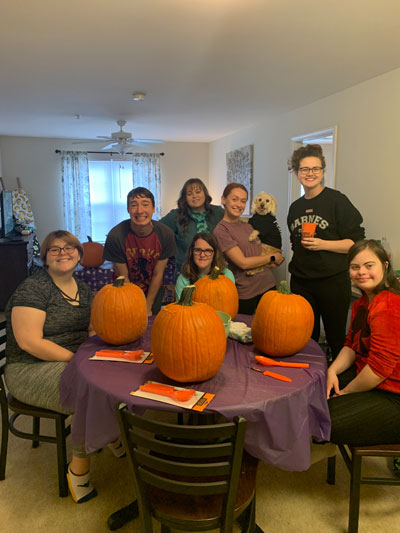
I went to WVU for undergrad and occupational therapy school. During that time, I had the opportunity to be a mentor in the Country Roads program. This program was designed to give people with intellectual disabilities the opportunity to experience college life while learning valuable life skills/lessons. They got to live in dorms, go to football games, ride the PRT, and so much more.
Growing up, my family was close with another family that had a son my age who had Down syndrome. All throughout school he so badly wanted to be able to do things I was doing but was rarely given the chance because of his disability. That is the reason I went to OT school. It makes me sick to know so many people are not afforded the chance at truly living life because of something out of their control. This program brings awareness, acceptance, and most importantly, opportunity for college kids with special needs to experience the magic of WVU like I did. When these students graduate from the Country Roads program, they leave with the tools to contribute to their communities, develop relationships, hold jobs, and so much more. I am pleading to whoever has the power to save this department to do so. Please do not strip people from opportunity, everyone deserves to truly live and feel included.
- Rachel Carrico, former Country Roads peer mentor
-
A Parent Network Specialist (PNS) connected with a mother of a 5-year-old nonverbal child who faces multiple challenges including difficulty following commands and lack of toilet training. The child attends a regular Pre-K class and receives speech therapy. The mother sought assistance with completing applications for the IDD Waiver, Social Security benefits, incontinence supplies, and occupational/physical therapy services.
The PNS provided detailed information about available programs, shared resources and sample letters, and offered ongoing support. With this guidance, the mother successfully completed applications, attended a Social Security appointment, and began receiving monthly incontinence supplies. She reported feeling a significant relief and expressed deep gratitude, stating that the assistance has been a “blessing” and improved her outlook for her and her son. The mother continues to navigate therapy referrals and is confident knowing support is readily available. She stated she would recommend the program to other families facing similar challenges.
-
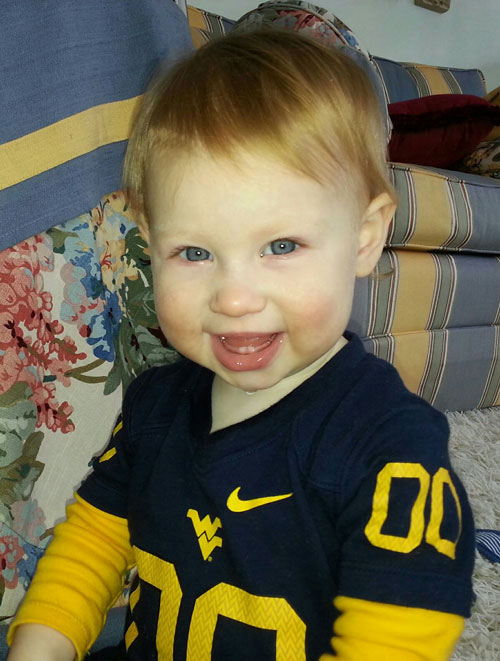
When our first kid was a newborn, she struggled with feeding. Our pediatricians didn’t have a solution other than “try harder.” As an exhausted first-time mother, I was completely losing it. What baby doesn’t want to eat? Then someone referred us to the Feeding & Swallowing Clinic at the WVU CED. They calmed our fears and walked us through this extremely stressful time in a way that no other provider could. My daughter is now 11 years old, and you’d never know she once was a baby who wouldn’t eat.
I’ve read that the CED is being “canceled” as part of the President’s anti-DEI initiative in the federal budget. It means that people like me who are trying their best to take care of their families will no longer have these services to rely on. What a loss for our community, state, and nation.
– Rebekah Aranda, mother